
- News Center
Event news
AALD News
Other Activities
Four Parties Discuss the New Future of "Lightscape Studies": Academician Wu Shuoxian Leads Dialogue on AIGC Empowering the Lighting Industry
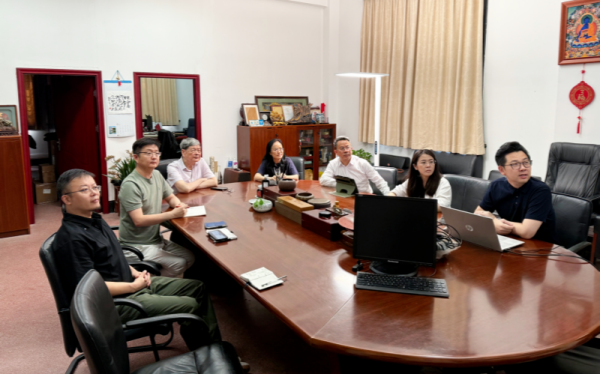
On June 22, 2026, a four-party dialogue focusing on the cutting-edge development of Lightscape Studies and the application of new quality productive forces in the industry was held at South China University of Technology. Academician Wu Shuoxian of the Chinese Academy of Sciences and his team joined representatives from AALD, Zhongzhao Jinzhi, and Sidon Lighting. Together, they engaged in in-depth discussions on two core topics: "The artistic, cultural, and social value expression of Lightscape Studies in human settlements" and "The deep application of AIGC as a new quality productive force in the lighting industry." At the same time, the parties reached a significant consensus on the preparations for the Multi-Landscape Special Task Force Forum of the Chinese Society of Landscape Architecture.
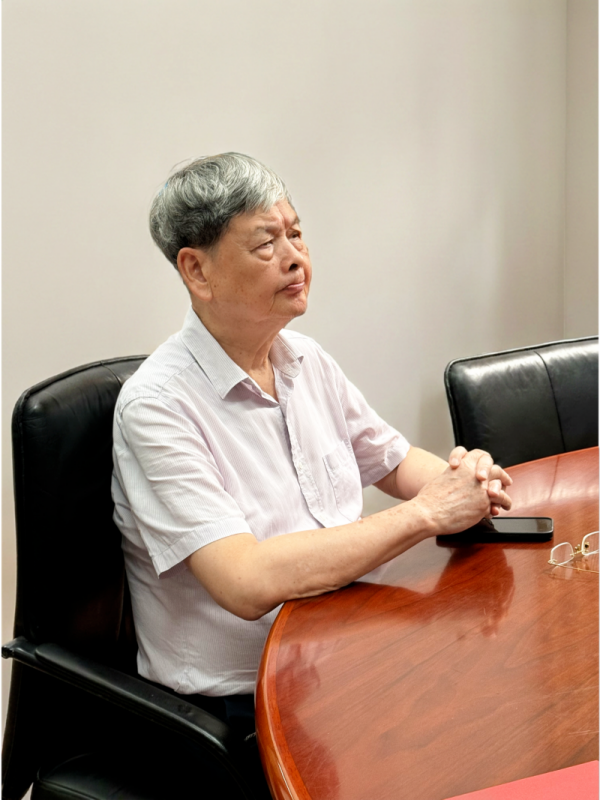
Academician Wu Shuoxian
Led by AALD, this dialogue aims to promote the deep integration of the theoretical system of Lightscape Studies with industrial practice. During the exchange, Academician Wu Shuoxian pointed out that Lightscape Studies go beyond the traditional photometric pursuits of lighting engineering. It emphasizes light as a special landscape element, synergistically created with multi-sensory elements such as soundscape and scentscape, serving as an important carrier for improving the quality of human settlements and inheriting regional culture. He specifically mentioned that in urban renewal and cultural tourism lighting projects, local folklore and traditional characteristics should be fully explored to avoid a "homogenized urban landscape" (or "thousand cities, one face"), allowing light to truly become an appreciable and perceptible cultural landscape.
Regarding the application of AIGC in the lighting industry, the four parties agreed that artificial intelligence is becoming a new quality productive force driving the industry's transformation and upgrading. AIGC not only significantly improves efficiency in front-end creative design generation and rapid scheme rendering but also demonstrates immense potential in back-end light environment simulation, energy consumption data analysis, and smart scenario construction.
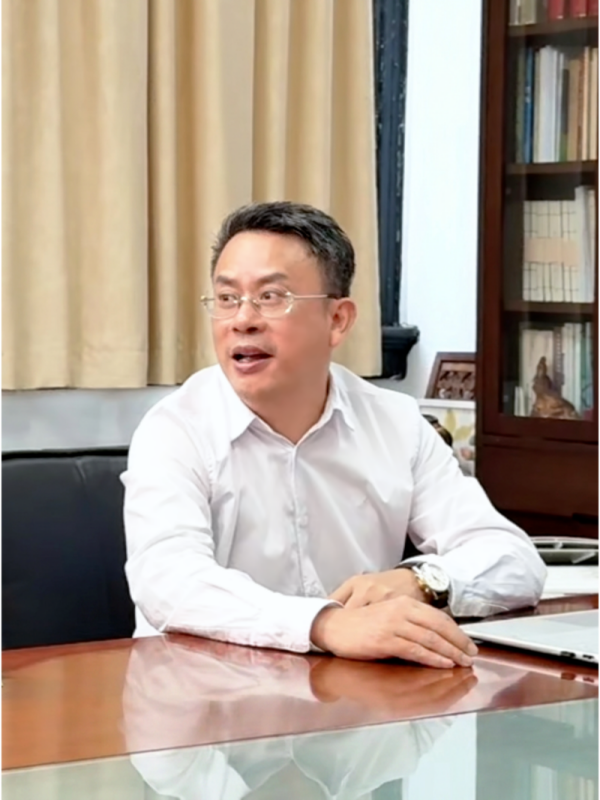
Xu Changcai
As an industry representative, Xu Changcai, Chief Brand Officer of Sidon Industry and General Manager of BACH, shared the company's technical achievements in areas such as the IES Energy Smart Management Platform, whole-house smart systems, and vibrant scenario lighting. He stated that the company will continue to increase R&D investment, responding to the ecological requirements of "green, sustainable, and human-centric" principles advocated by Lightscape Studies through technological innovation.
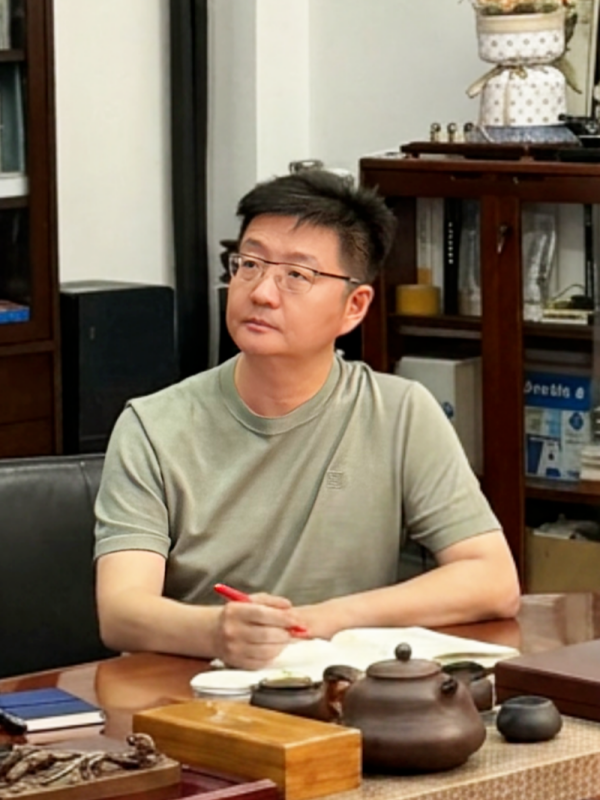
Ma Bin
Ma Bin, Secretary-General of AALD, stated that the association will continue to leverage its role as a platform and bridge, promoting cross-boundary collaboration among designers, scholars, and enterprises to facilitate the industrial implementation of Lightscape Studies theories. A relevant person in charge from Zhongzhao Jinzhi proposed, from the perspective of standards and quality, that an evaluation system matching the concepts of Lightscape Studies should be established as soon as possible. This will guide the industry's transformation and upgrading from merely "lighting up" to becoming "beautiful" and "intelligent."
As a key outcome of this dialogue, the four parties held friendly consultations on the preparatory work for the Multi-Landscape Special Task Force Forum of the Chinese Society of Landscape Architecture. This task force will bring together multidisciplinary forces from urban planning, architecture, lighting, landscape architecture, and artificial intelligence. It will systematically advance theoretical and practical research, standard formulation, case demonstrations, and talent development in multi-landscape fields, including Lightscape Studies, providing organizational guarantees and intellectual support for the improvement of human settlement quality.
This four-party dialogue marks a new stage for Lightscape Studies, moving from theoretical exploration to interdisciplinary collaboration and industry-academia-research linkage. In the future, all parties will continue to deepen their cooperation, using new quality productive forces such as AIGC as an engine to drive the high-quality development of the lighting industry toward intelligence, sustainability, and humanism, ensuring that light truly serves people's aspirations for a better life.